The cost of studying in the UK in 2026/27: tuition, living costs and the visa
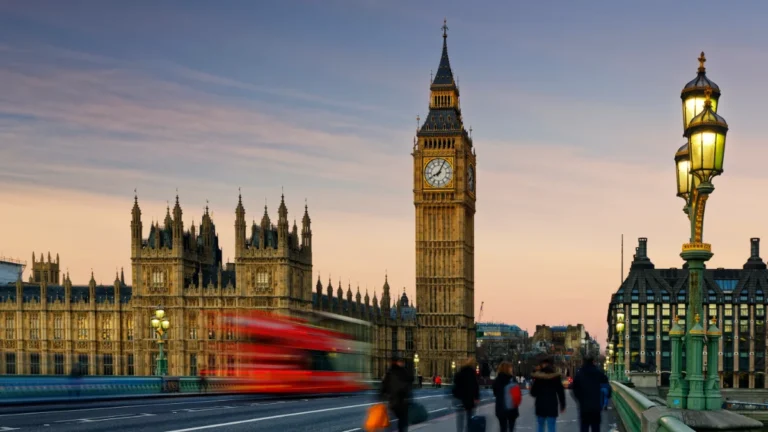
What a year in the UK costs in 2026/27: tuition ranges, living costs, the £558 visa fee, the £776 health surcharge and the money to show for the visa.

Straight answers on recognition, visas, funding and what a year abroad actually costs.
What a year in the UK costs in 2026/27: tuition ranges, living costs, the £558 visa fee, the £776 health surcharge and the money to show for the visa.
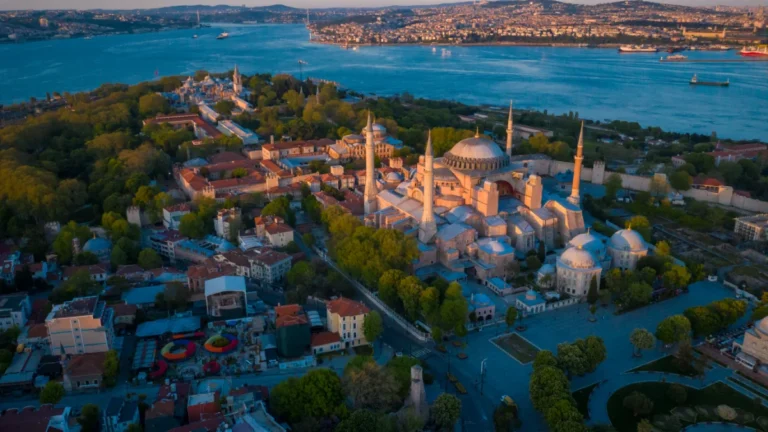
Studying medicine in Turkey from Jordan: the 90% rule, the Turkish language condition for English-taught programmes, 8 months a year on campus, and 2026/27 fees.

Law abroad and Jordan: the 65% Tawjihi condition, eight months a year on campus, the language rule, and the Jordan Bar Association's trainee register, two-year training, research paper and exams.
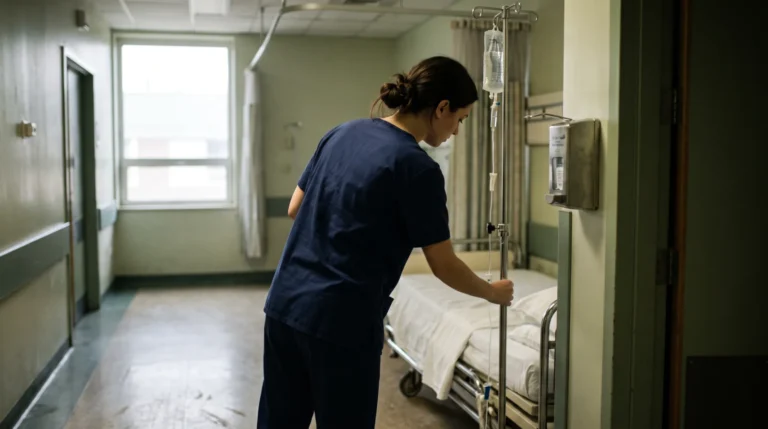
Nursing abroad and Jordan: the 70% Tawjihi condition, eight months a year on campus, the language rule, and the three steps to practise: Association registration, the Nursing Council exam and the Ministry of Health licence.

The UAE has replaced equivalency with recognition. Here are the conditions MoHESR applies, what it says about online study and residency, the 2025 ranking rules for Emirati students, the documents, the two-stage process and the published fees.
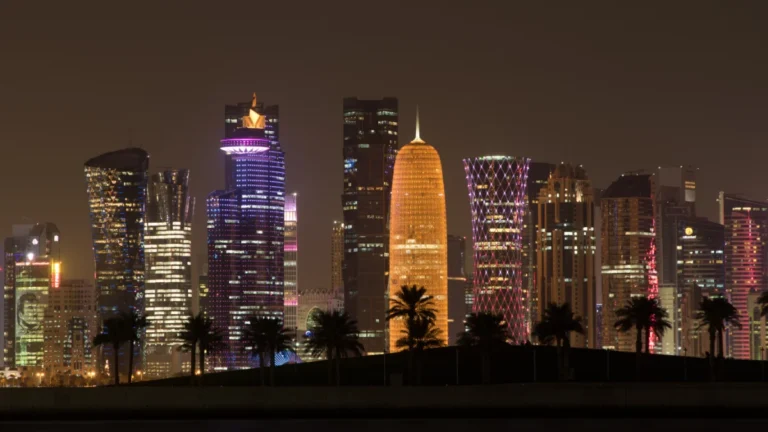
Qatar's Ministry of Education and Higher Education will not equivalence most degrees started abroad without pre-approval. Here are the conditions that follow it: main campus, degree length, limits on distance study, the documents to keep, and the separate route for residents.
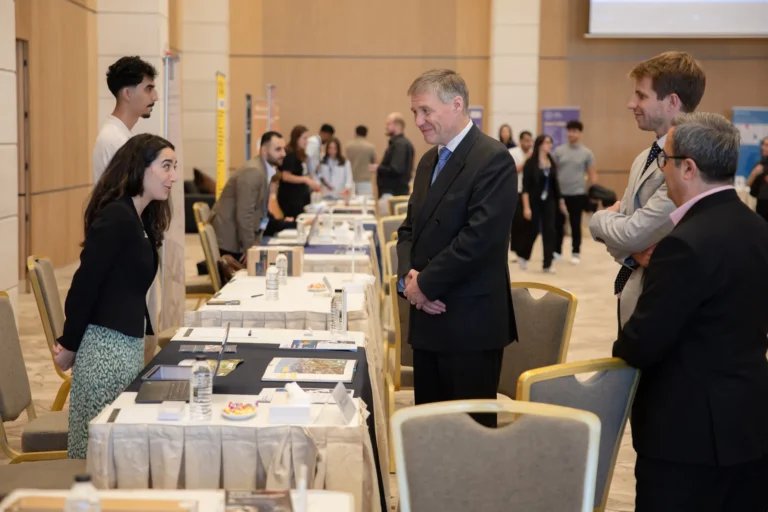
Emailing eight universities gets you eight brochures. Two hours at a fair gets you answers - if you ask the right five questions and bring the right three documents.

Kuwait's equivalency application rests on documents certified by the cultural office in the country of study. Students who only discover that at graduation spend months fixing it.
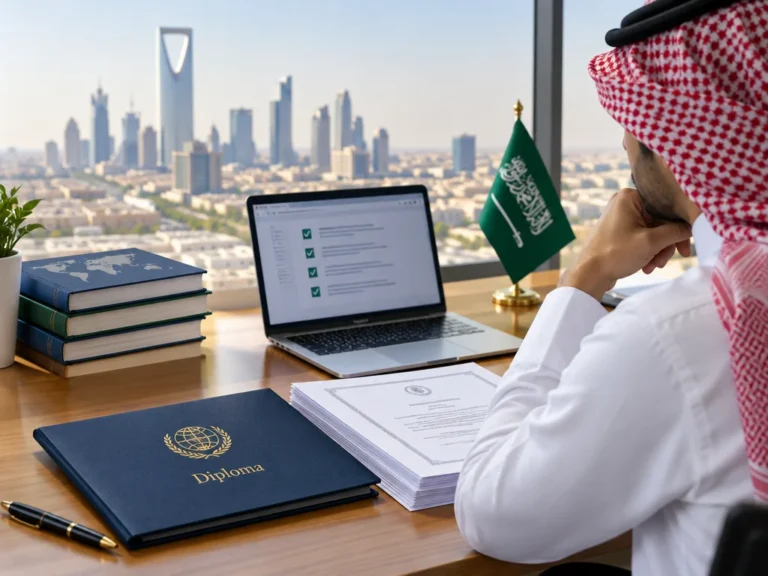
Saudi Arabia's conditions are stricter than most families expect: main campus only, no distance study, four-year bachelor's degrees, and professional doctorates equivalenced at bachelor's level.
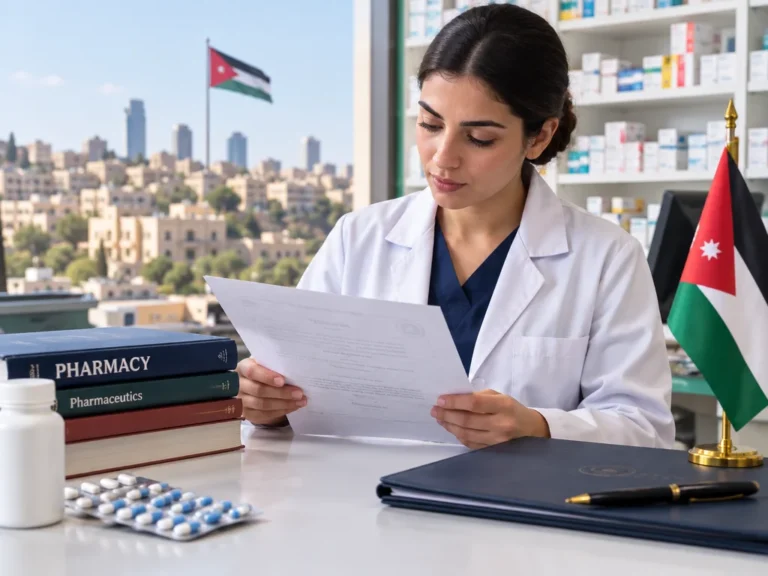
Pharmacy sits at an 80% secondary average, and the licence to practise runs through the Ministry of Health and the Pharmacists Association separately from academic equivalency.